
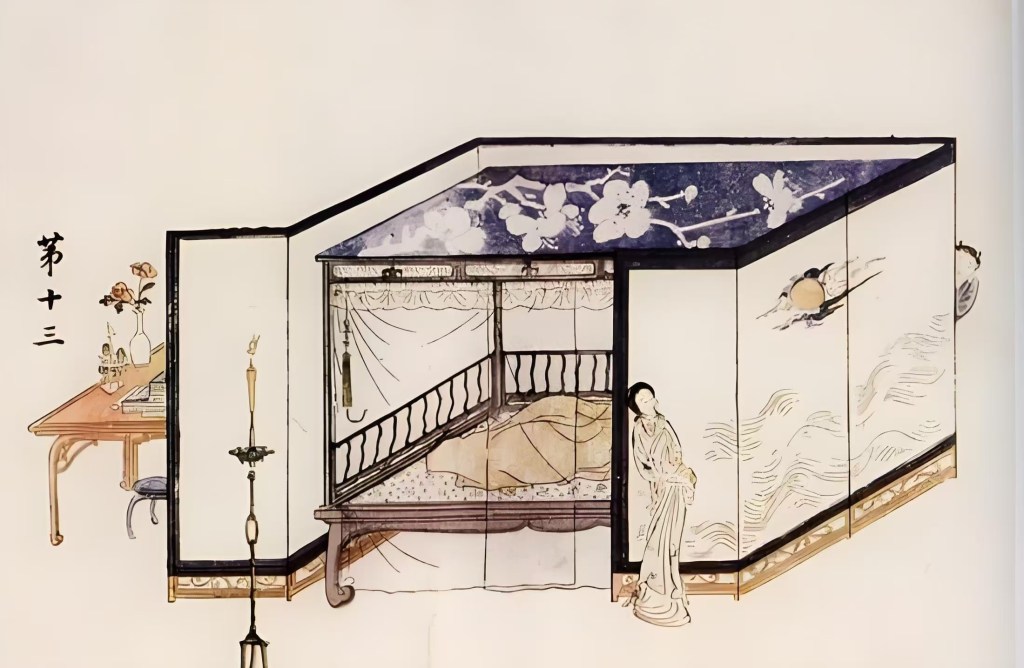
In cultures across the globe, mosquito nets are not just a practical object, they also carry a wealth of symbolic meaning, especially during traditional events such as weddings and religious ceremonies. In this article, we will explore the symbolism of mosquito nets in different cultures, share stories and traditions related to festivals, and showcase their rich cultural background.
History and Origin of Mosquito Nets
The use of mosquito nets dates back thousands of years. In ancient times, especially in tropical and subtropical regions, mosquito nets were widely used to ward off mosquito bites. Over time, mosquito nets have evolved into a cultural symbol, especially in certain traditional ceremonies.
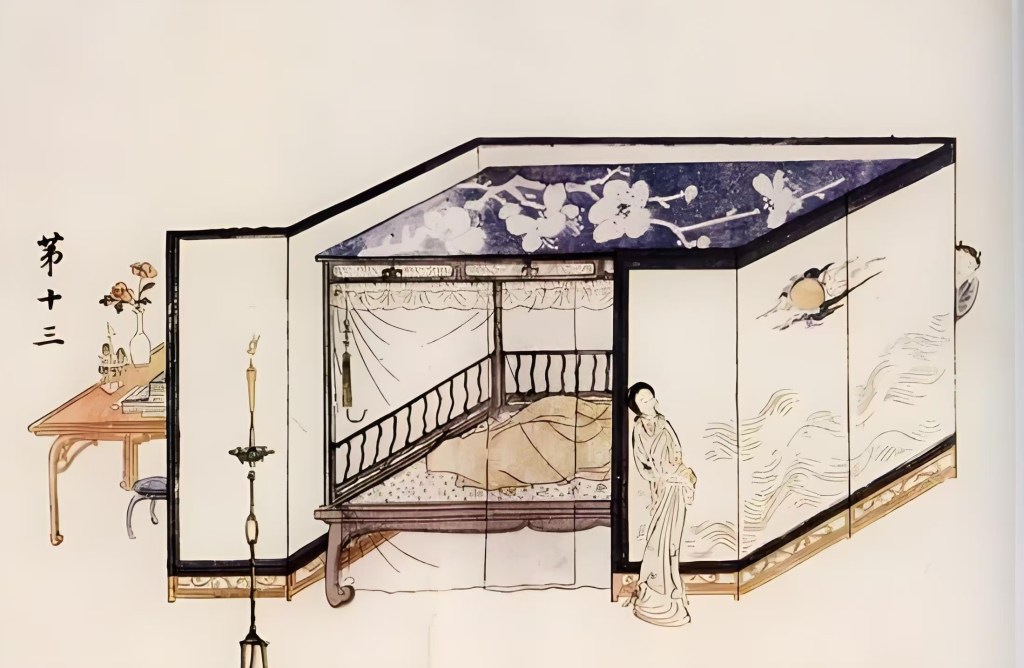
The symbolism of mosquito nets in weddings
- Weddings in India:In India, weddings are an extremely important traditional ceremony, and mosquito nets are often used to decorate the wedding rooms of the bride and groom. In some areas, mosquito nets symbolize protection and blessings. The ceremony performed by the bride and groom under a mosquito net symbolizes the protection and harmony of the family. During weddings, the colors and decorations of mosquito nets also have specific meanings, often in bright colors such as red and gold, symbolizing good luck and prosperity.
- Traditional wedding in Africa:In some African cultures, mosquito nets also play an important role. At some tribal weddings, newlyweds perform ceremonies under ornately decorated mosquito nets. This is not only a blessing for a new life, but also a symbol of the protection of the family. The fabric and color of the nets often have specific cultural significance, representing the traditions and beliefs of the tribe.

Mosquito nets and religious ceremonies
- Islamic rituals:In some Islamic cultures, mosquito nets also have a place in religious ceremonies. In some areas, Muslims gather under mosquito nets during important religious ceremonies. Mosquito nets are not only physical protection here, but also symbolize the refuge of faith and sacred space. The use of mosquito nets helps to create a serene and sacred atmosphere, allowing people to focus on religious activities.
- Buddhist rituals:In some Buddhist cultures, mosquito nets are used to decorate temples and Buddha statues. In traditional Buddhist rituals, mosquito nets are seen as a symbol of respect, representing reverence and devotion to Lord Buddha. The use of mosquito nets not only beautifies the ceremony but also enhances the participants’ experience of faith.

The story of mosquito nets and festivals
- A festival to celebrate the harvest:In some areas, mosquito nets are used as decoration during harvest festivals, symbolizing respect for nature and life. During the festival, people gather under mosquito nets to share food and celebrate the harvest. This tradition not only fosters community cohesion, but also conveys gratitude for nature’s bounty.
- Dance and performances at the festival:In some cultures, mosquito nets are used as part of the stage to host festive dances and performances. In such occasions, mosquito nets are not only decorations, but also a bridge between the performers and the audience. It adds visual beauty while also creating a mysterious and poetic space for the performance.

Conclusion
The symbolism of mosquito nets varies from culture to culture, from weddings to religious ceremonies to festivals. It is not only a practical object, but also a carrier of cultural inheritance and faith. By delving into the role of mosquito nets in various traditional activities, we can better understand the diversity and richness of human culture. In the days to come, I hope that these traditions can continue to be passed on, so that more people can understand and respect these unique cultural stories.
 YINGYI-CARE