
Introduction
Mosquito nets, a seemingly simple protective tool, have played an important role in human history. From ancient design to modern evolution, mosquito nets are not only practical items to protect against mosquito infestation, but also carry rich cultural connotations and symbolic meanings. This article will explore the origins and evolution of mosquito nets, and analyze their place and usage habits in different cultures.
The origin of mosquito nets
The history of mosquito nets can be traced back to ancient times, and the earliest forms of mosquito nets may have appeared in places like China and Egypt. Mosquito protection has been recorded in ancient Chinese literature, such as the anti-mosquito measures mentioned in.
1.Mosquito nets in ancient China
In ancient China, the use of mosquito nets was closely related to people’s lifestyles. With the development of agrarian society, outdoor activities at night in summer have increased, and mosquito breeding has become more serious. To protect themselves, the ancients began to make simple nets out of cloth to prevent mosquito bites. This kind of mosquito net is not only practical, but also reflects the pursuit of quality of life by the ancients.
2.Early design of ancient Egypt
The use of mosquito nets also has a long history in ancient Egypt. Archaeologists have found the remains of some mosquito nets in the pharaoh’s tombs, showing the ancient Egypt’s concern for mosquito control. Ancient Egypt mosquito nets were often made of lightweight linen, which was both breathable and effective, reflecting the ancient Egypt’s balance of practicality and beauty.
The evolution of mosquito nets
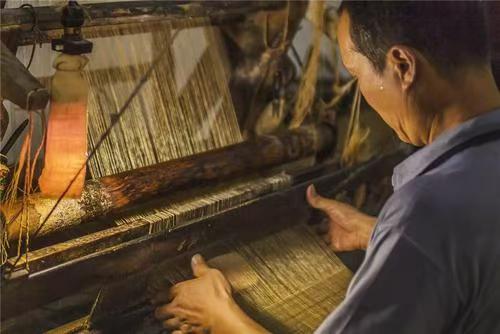
Over time, the design and materials of the nets have evolved, gradually forming the style we know today.
1.Changes in materials
In ancient times, mosquito nets were mostly made of natural fibers, such as cotton and linen. After entering the Industrial Revolution, the advent of synthetic materials made mosquito nets less expensive to make and improved durability and protection. Modern mosquito nets are mostly made of polyester fibers and other materials, which are not only lightweight, but also waterproof and UV resistant.
2. Diversity in design
The design of modern mosquito nets is also becoming more diverse. From the traditional quadrangular frame to today’s ceiling-mounted, portable design, innovations are emerging. Different geographical and cultural backgrounds have given rise to different styles of mosquito nets, which not only meet practical needs, but also become a part of home decoration.

The cultural significance of mosquito nets
Mosquito nets are not only a protective tool in different cultures, but also carry a rich symbolic meaning.
1.Place in Chinese culture
In Chinese culture, mosquito nets are often associated with the warmth and harmony of the family. Mosquito nets are often hung from the bed in the bedroom, symbolizing protection and tranquility. In traditional weddings, mosquito nets are also seen as a shelter for the couple, symbolizing a happy and fulfilling life.
2.Symbolism in African culture
In Africa, the use of mosquito nets is closely linked to the fight against mosquito-borne diseases such as malaria. Mosquito nets in many areas are not only a tool for personal protection, but also an important part of public health. Mosquito nets in African cultures are often seen as an umbrella for life, symbolizing the importance of health and life.
3. Influence in Western culture
In Western countries, the use of mosquito nets is mostly associated with camping and outdoor activities. While enjoying nature, people also want to prevent mosquito infestation through mosquito nets. At the same time, mosquito nets have gradually become a part of summer home life, showing a leisure and enjoyable attitude to life.

The development and future of modern mosquito nets
With the advancement of science and technology, the function of modern mosquito nets has been continuously enhanced, and the future development direction has become more and more clear.
1. The rise of smart mosquito nets
In recent years, the development of smart technology has brought new possibilities for the use of mosquito nets. Through IoT technology, smart nets can monitor the number of mosquitoes in the environment and automatically turn them on or off. This innovation not only improves the user experience, but also provides a more efficient solution for mosquito protection.
2.The concept of ecological environmental protection
With the improvement of people’s awareness of environmental protection, the materials and production processes of mosquito nets have also begun to develop in the direction of ecological environmental protection. Future nets will focus more on the use of renewable materials, reducing their environmental impact while maintaining good protection.

Conclusion
As a time-honored protective tool, mosquito nets have witnessed the struggle between humans and nature, and also carry rich cultural connotations. From ancient times to modern times, the design and materials of mosquito nets have evolved and become an integral part of life. In the future, with the development of science and technology and the deepening of environmental protection concepts, mosquito nets will continue to move forward on the road of protecting people’s health and improving the quality of life. Through an in-depth study of the history and culture of the mosquito net, we can better understand the profound meaning behind this simple object.
 YINGYI-CARE