

As summer transitions into fall, the Northern Hemisphere is facing a peak in West Nile virus (WNV) infections. This mosquito-borne disease is raising significant concerns worldwide, from North America and Europe to the Middle East. Recent developments have highlighted the severity of the virus and its association with climate change and environmental conditions.
Global Surge in West Nile Virus Cases
North America: Rising Concerns
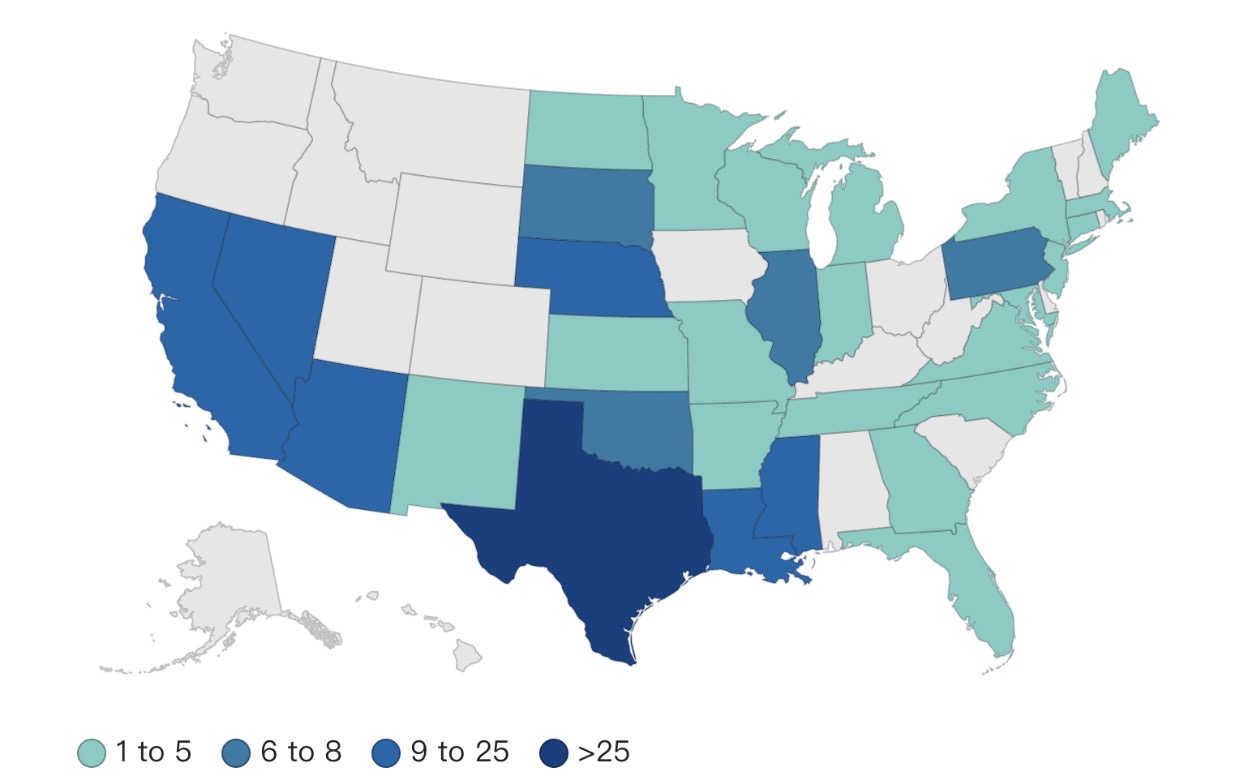
In the United States, the West Nile virus has seen a notable increase in cases. As of August 20, 2024, 33 states have reported 216 confirmed infections, marking an earlier and more intense outbreak than in previous years. Texas reported its first fatality of the year on August 21, 2024. The deceased, a man in his 50s, exhibited minimal symptoms prior to his death.
New Jersey also reported two cases in the first week of July, which is earlier than usual. Maine’s public health department announced on July 31 that new cases of infected birds had been detected, though no human cases have been reported yet.
In Canada, cities such as Ottawa and Kingston in Ontario are witnessing a significant rise in mosquito-borne West Nile virus positivity. Public health officials have issued warnings in response to this concerning trend.
Europe: Facing Serious Risks
Europe is experiencing a significant increase in West Nile virus cases. Countries including Austria, Croatia, France, Greece, Hungary, Italy, Romania, Serbia, and Spain have all reported human infections. In Poland, since mid-July, unexplained bird deaths, including crows, jackdaws, and magpies, have been observed. Although avian influenza has been ruled out, some samples have tested positive for West Nile virus, with final confirmation pending from European laboratories.
The European Centre for Disease Prevention and Control (ECDC) has warned that favorable weather conditions may continue to facilitate the virus’s spread, potentially leading to more human infections in the coming weeks and months.

Middle East: Increased Cases Amidst Conflict
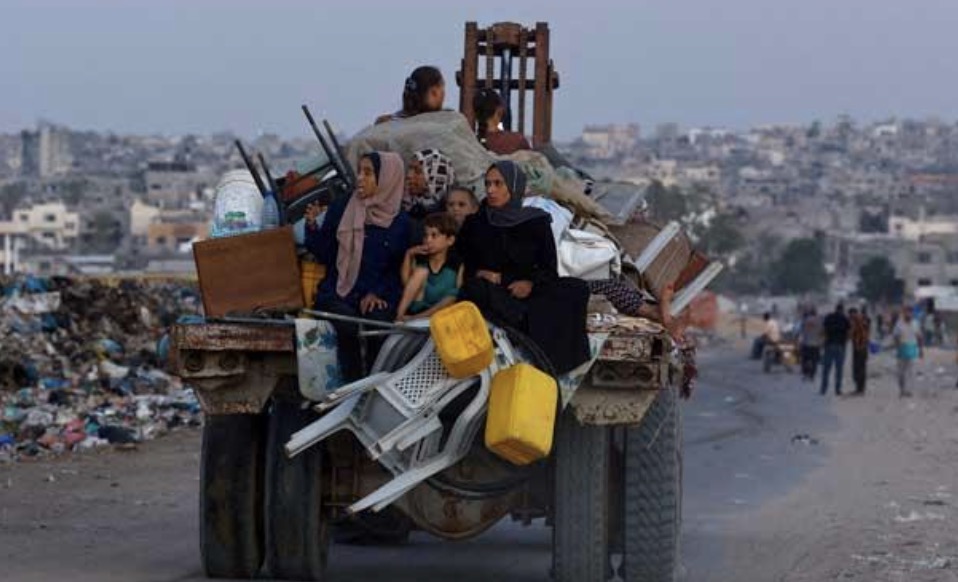
Israel is grappling with a severe West Nile virus outbreak. According to the Israel Times, the country has reported 858 cases and 62 deaths over the past three months—its highest numbers in nearly 20 years. The infections are concentrated in central rural areas and densely populated regions such as Jerusalem, Tel Aviv, Ramat Hasharon, and Lower Galilee. The ongoing conflict in the region has made controlling the outbreak even more challenging.
Climate Change and Environmental Factors
The earlier onset and increased frequency of West Nile virus outbreaks are closely linked to climate change. Research published in Nature Climate Change in August 2022 indicates that global warming has extended the lifespan of mosquitoes, thereby increasing the window for disease transmission. This year, heavy rains and hurricanes in the southern United States have created ideal conditions for mosquito breeding, with Texas reporting cases as early as May.
Understanding West Nile Virus
West Nile virus was first identified in a febrile woman in the West Nile region of Uganda in 1937. Since then, it has spread across Africa, the Mediterranean, Europe, and the Middle East, reaching the United States in 1999. Significant outbreaks have occurred in Israel, Greece, Romania, and the United States over the past five decades.
West Nile virus is primarily transmitted through mosquito bites. Infected mosquitoes pass the virus to humans, horses, and other mammals, but not directly between humans or between humans and birds. Mosquitoes become infected by feeding on infected birds (such as crows, sparrows, robins, cuckoos, and gulls) and then transmit the virus to other animals or humans.
The incubation period for West Nile virus ranges from 3 to 14 days. About 80% of those infected will not exhibit symptoms or will experience only mild symptoms. Approximately 20% may develop symptoms such as headache, fever, nausea, fatigue, and swollen lymph nodes, known as West Nile fever. A small percentage may develop severe neurological diseases, with a mortality rate of about 9% among those with severe illness.
Current Prevention and Treatment
Currently, there are no specific antiviral treatments for West Nile virus, and no vaccines are available for humans, although vaccines for horses do exist. Preventive measures primarily focus on reducing mosquito exposure, which includes:
- Effective Mosquito Control: Implementing large-scale mosquito control measures to reduce breeding sites.
- Personal Protection: Using mosquito repellents, wearing light-colored clothing that covers most of the body, and sleeping under mosquito nets or in air-conditioned rooms. Mosquito nets are particularly effective in preventing mosquito bites during sleep.
- Avoiding Exposure: Minimizing outdoor activities during dusk and dawn when mosquitoes are most active.
According to the CDC, mosquitoes are among the deadliest animals in the world, transmitting diseases such as malaria, dengue fever, West Nile virus, yellow fever, Zika virus, chikungunya, and lymphatic filariasis. Each year, approximately 725,000 people die from mosquito-borne illnesses, with malaria alone accounting for over 600,000 deaths.
Conclusion
As global climate change and environmental conditions evolve, the risk of West Nile virus transmission is increasing. Understanding the virus’s transmission routes and symptoms, and adopting effective preventive measures, is crucial for controlling outbreaks and protecting public health. Staying informed and actively participating in prevention efforts is key to addressing this global public health challenge.
 YINGYI-CARE