
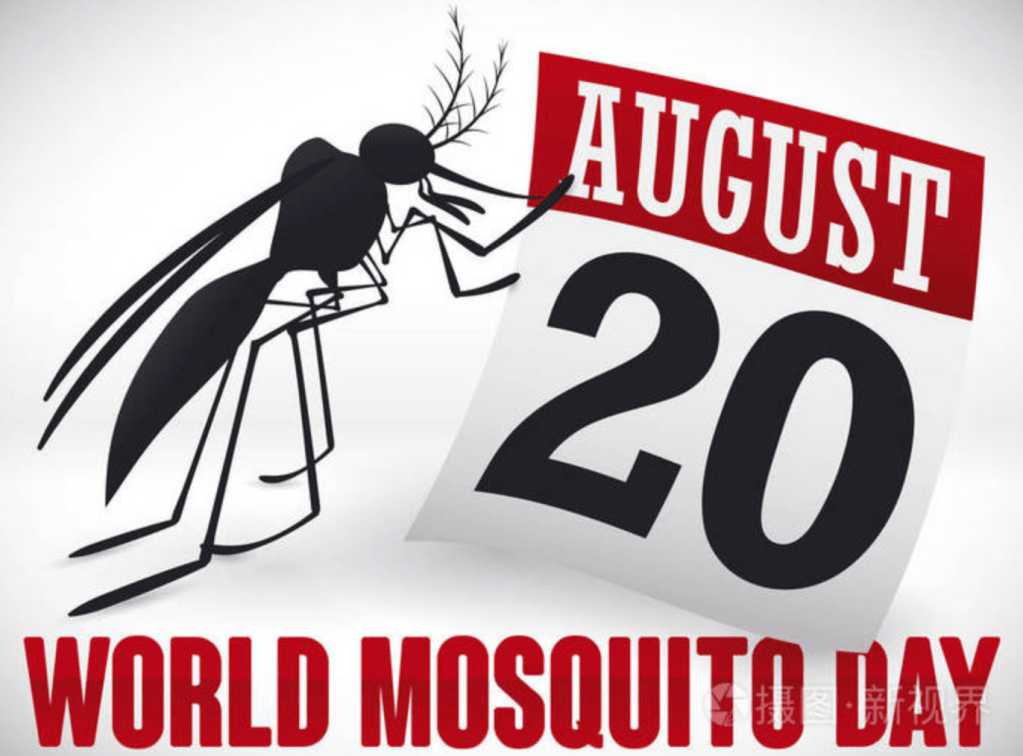
August 20th is observed as World Mosquito Day, not to celebrate mosquitoes themselves, but to raise awareness about the diseases they spread, particularly malaria. The day serves to remind us that mosquitoes are significant vectors of diseases and to encourage effective measures to prevent these diseases.
- Ronald Ross’s Groundbreaking Discovery
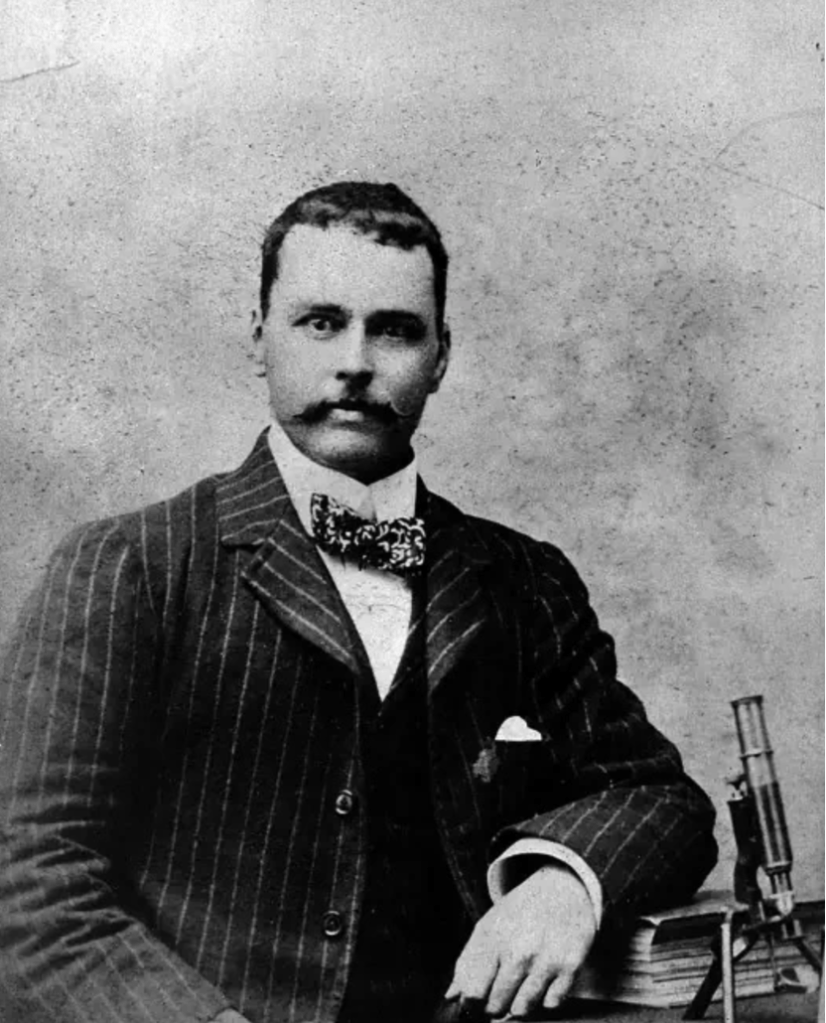
On August 20, 1897, British microbiologist Sir Ronald Ross made a momentous discovery in his modest laboratory in Calcutta, India. He was studying mosquitoes carrying the malaria parasite when he suddenly realized that he had uncovered a critical piece of the puzzle in understanding malaria and its transmission. Ross discovered that the malaria parasite underwent a crucial stage of its lifecycle within mosquitoes, a breakthrough that illuminated the path for understanding how malaria is spread.
This discovery was monumental. Prior to Ross’s work, the transmission mechanisms of malaria were not well understood, which hampered effective control and prevention efforts. Ross’s research clarified that avoiding mosquito bites is a key measure to prevent malaria. This finding had a profound impact not only on malaria control but also on the understanding of other mosquito-borne diseases like dengue fever, yellow fever, and Zika virus.
- The Global Impact of Malaria
Malaria is a parasitic disease caused by Plasmodium species and is primarily transmitted through the bites of infected mosquitoes. Despite significant advancements in modern medicine, malaria remains a major global health threat. According to the World Health Organization, there are around 250 million cases of malaria each year, with hundreds of thousands of deaths. While Africa is the most affected region, malaria also poses significant risks in parts of Asia, South America, and the Middle East.
Because malaria is spread through mosquito bites, controlling mosquito populations and preventing mosquito bites are essential strategies in combating the disease. This includes measures such as using insecticide-treated nets, wearing long-sleeved clothing, applying insect repellents, and eliminating standing water where mosquitoes breed. Additionally, efforts are ongoing to develop new vaccines and treatments to eventually eradicate malaria.
- The Importance of Mosquito Awareness
World Mosquito Day is dedicated to increasing public awareness about mosquito-borne diseases and preventive measures. Understanding how mosquitoes spread diseases and knowing effective prevention strategies is crucial for everyone.
- Looking Ahead
While scientific research and prevention measures continue to advance, completely eradicating mosquito-borne diseases remains a challenge. Global health organizations, research institutions, and governments are working together to develop more effective vaccines and treatments. Public participation and awareness are also crucial components in fighting these diseases. By educating ourselves and taking practical steps, each person can contribute to reducing the risk of mosquito-borne diseases.
In summary, World Mosquito Day is not only a tribute to Sir Ronald Ross’s groundbreaking contributions but also a global call to action. It serves as a reminder that the combination of scientific research and public health measures is essential in combating mosquito-borne diseases. Through the promotion of this day, we hope to increase understanding of the seriousness of mosquito-borne diseases and encourage proactive measures to protect ourselves and others.
 YINGYI-CARE