
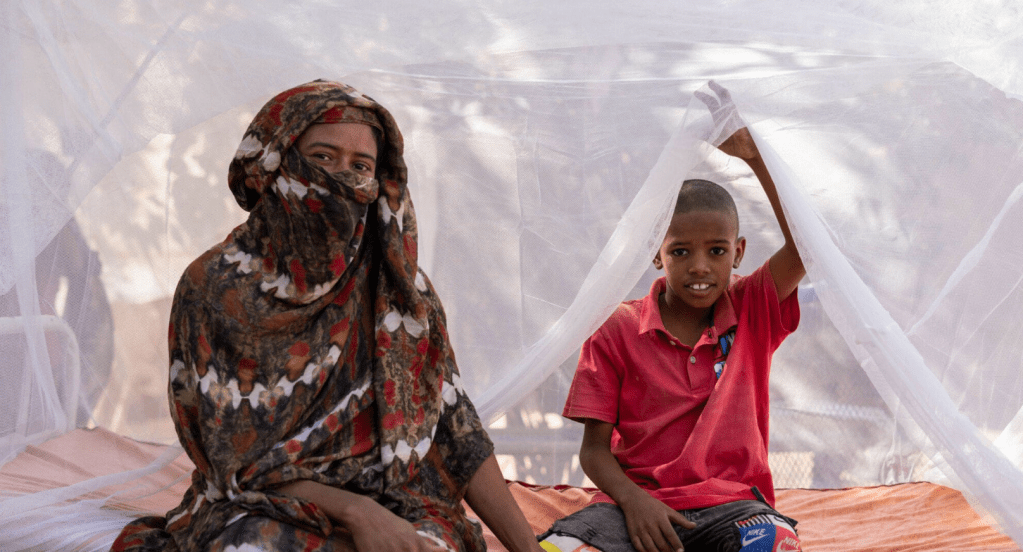
Mosquito-borne diseases have profound economic implications for Africa, including increased healthcare expenditures, reduced workforce productivity, impacts on tourism and foreign investment, compromised educational outcomes, and challenges to social stability and economic development. These diseases not only affect individual health and quality of life but also hinder the continent’s economic potential and human capital accumulation.
The severity of diseases transmitted by mosquitoes in Africa manifests in several aspects:
- Malaria: Malaria, caused by the Plasmodium parasite, is the most severe disease transmitted by African mosquitoes. Millions of people are infected annually, with children and pregnant women particularly vulnerable. Malaria can lead to high fever, chills, anemia, and even death, posing significant health and economic burdens on many African countries.
- Yellow Fever: Yellow fever, caused by the yellow fever virus and spread by Aedes mosquitoes, ranges from mild fever to severe bleeding and multi-organ failure, with mortality rates as high as 50%.
- Dengue Fever: Dengue fever, caused by the dengue virus and transmitted by Aedes mosquitoes, presents symptoms including high fever, headache, joint and muscle pain. Severe cases can lead to hemorrhagic disease and shock, posing a global public health concern.
- Rift Valley Fever: Rift Valley fever, caused by the Rift Valley fever virus and transmitted by mosquitoes of the Aedes and Culex genera, is prevalent in East Africa. Clinical manifestations include high fever, bleeding tendencies, and kidney failure, with mortality rates exceeding 20%.
- Zika Virus Disease: Zika virus, primarily transmitted by Aedes mosquitoes, causes mild symptoms but can lead to microcephaly and other neurological complications in fetuses and infants, posing serious threats to the health of pregnant women and future children.
Prevention is undeniably superior to treatment when combating these illnesses, which can have severe consequences for families and communities worldwide. By adopting effective preventive measures, we not only safeguard our own health but also protect our loved ones, especially children, who are particularly vulnerable to these infections. Utilizing strategies such as mosquito nets, insect repellents, and environmental control measures can drastically reduce mosquito populations and minimize the risk of disease transmission. It is crucial for individuals and communities to prioritize prevention efforts to create safer living environments and mitigate the impact of mosquito-borne diseases on a global scale.
 YINGYI-CARE